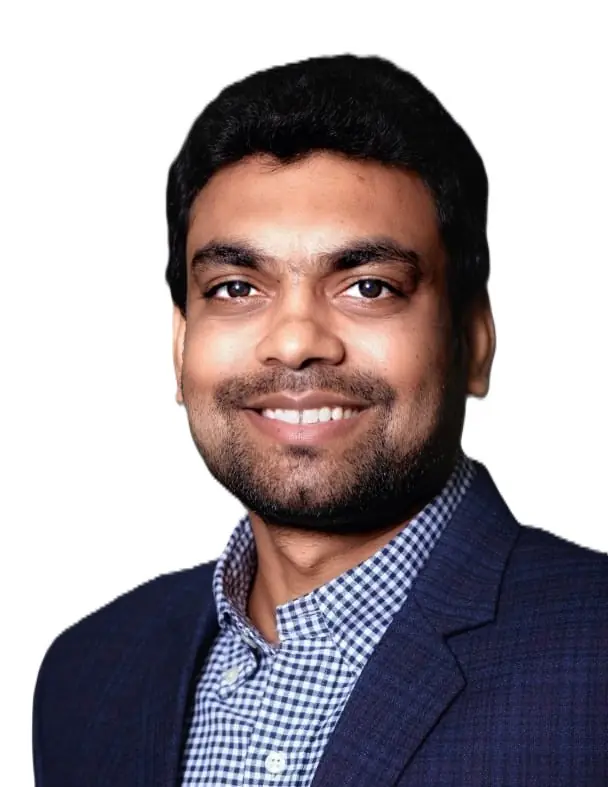
I'm Kasim Saiyyad
A PhD candidate in Applied Economics and Management at Cornell University and a Tata‑Cornell Institute Scholar. I research how public welfare programs shape livelihoods, nutrition, and economic opportunity, combining econometric analysis with over fifteen years of fieldwork in India’s most underserved communities.
200+
Field investigators and community workers trained and supervised across health, nutrition, and livelihood programs
20+
Districts across 10+ Indian states covered through large-scale household surveys and program implementation
15+
Years of experience in field research, program management, and policy impact evaluation
What I do?
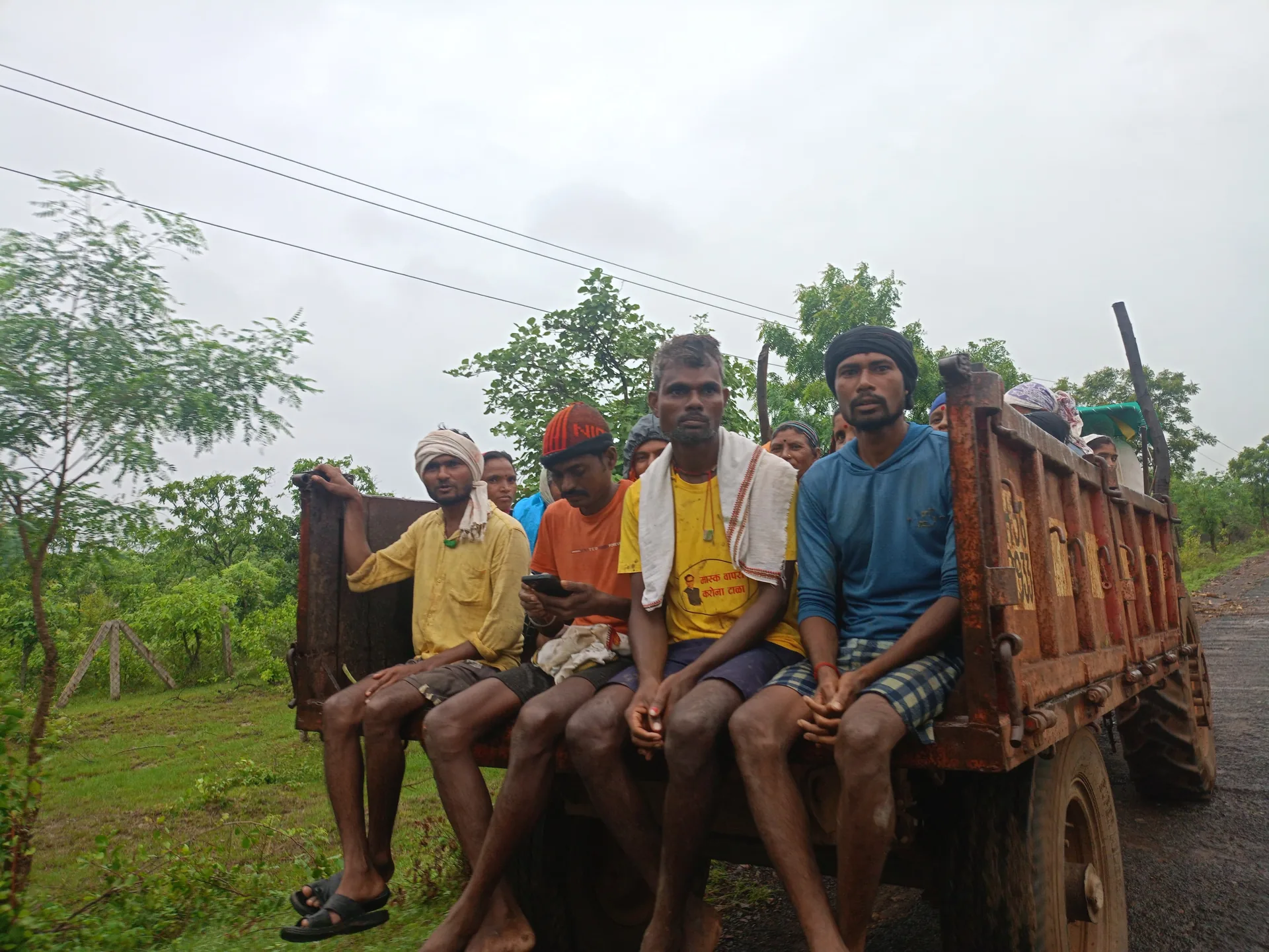
I study how public policies and economic interventions improve livelihoods, nutrition, and working conditions in developing countries, with a focus on programs that reach the most vulnerable households of the region.

Public Welfare Program Evaluation
Evaluating how India's cash transfer and employment guarantee programs interact in rural households, using primary panel data, administrative records, and causal inference methods.
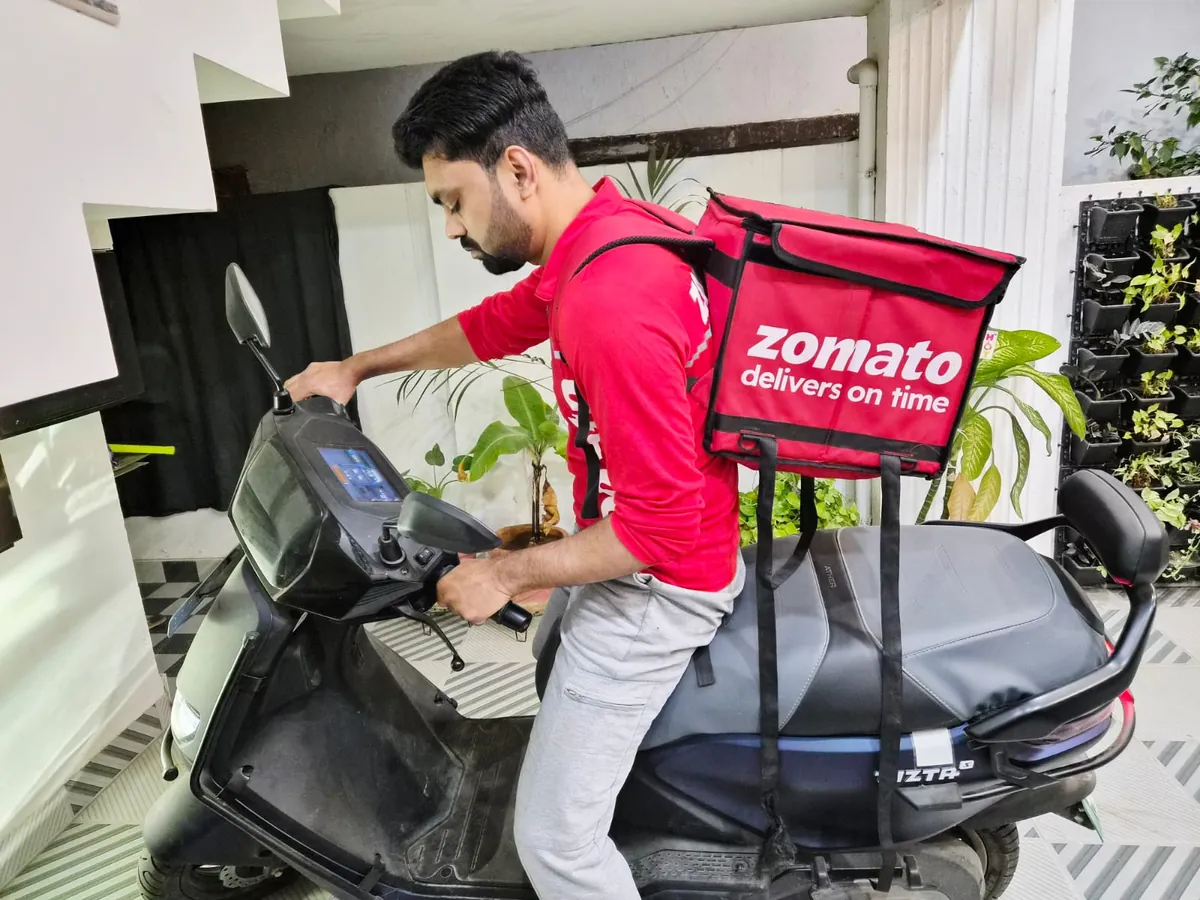
India's Platform Economy
Studying work precarity in India's gig economy through field immersion as a delivery rider, in-depth qualitative interviews, and survey-based analysis of labor market frictions.
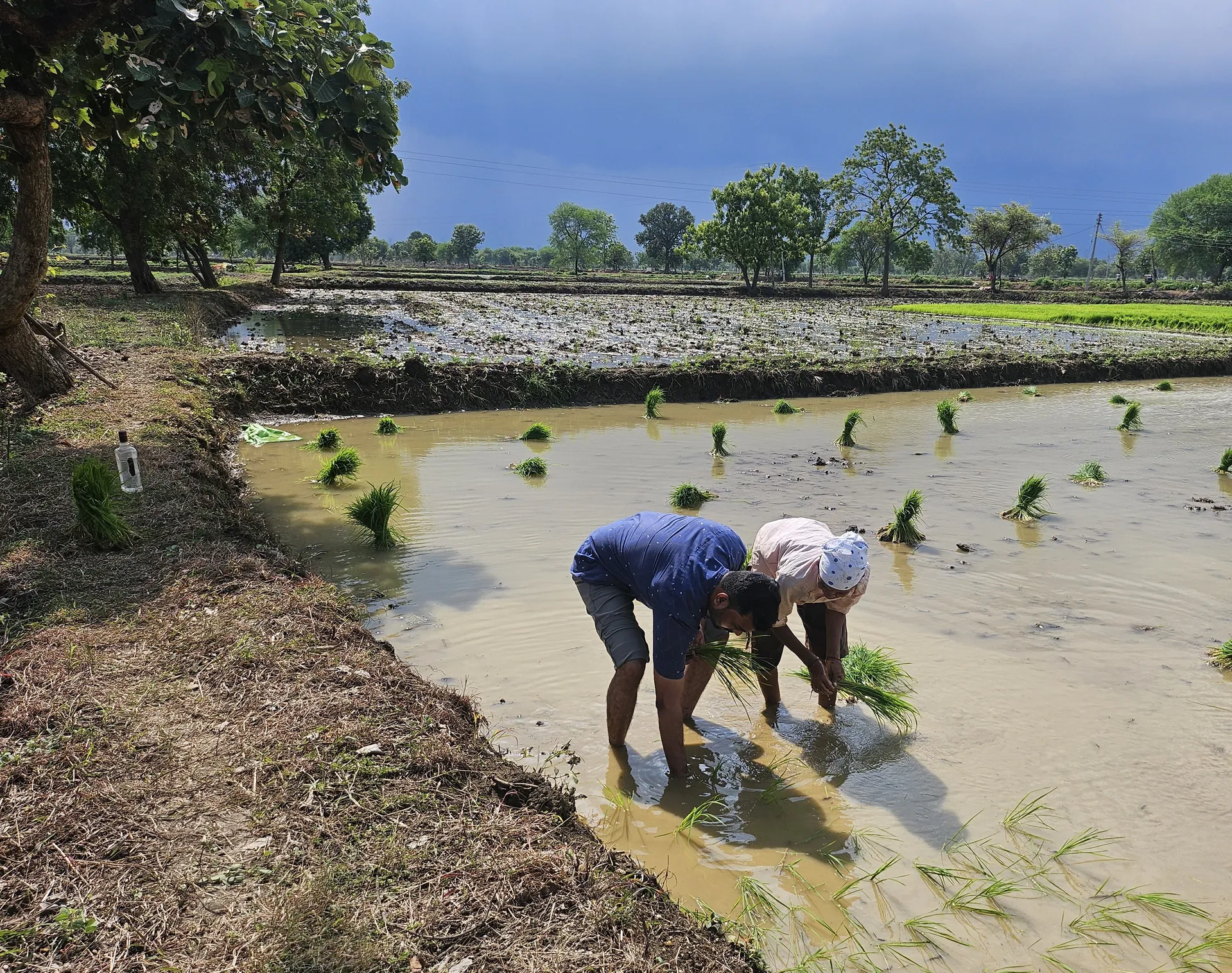
Agriculture-Nutrition Linkages
Assessing how food systems, fortification programs, and community-based interventions address malnutrition in tribal and rural India.
How I work?
My work draws on both quantitative and qualitative methods. I use R and Stata for econometric analysis, design and administer surveys using ODK and SurveyCTO, and conduct in-depth qualitative interviews using semi-structured protocols. I have built and managed primary panel datasets covering hundreds of rural households, and assembled secondary datasets by scraping administrative records from government portals. Fieldwork across 20+ districts has meant hiring and training survey teams, building relationships with government officials from village panchayats to district collectors, and conducting research in Hindi, Marathi, and working Gujarati — usually without a translator. The common thread is an approach that listens first, measures carefully, and stays accountable to the communities the research is about.
Research and Policy Impact
Programs I have designed, managed, or evaluated, and the outcomes they produced.

SFurtI (South Gujarat, India)
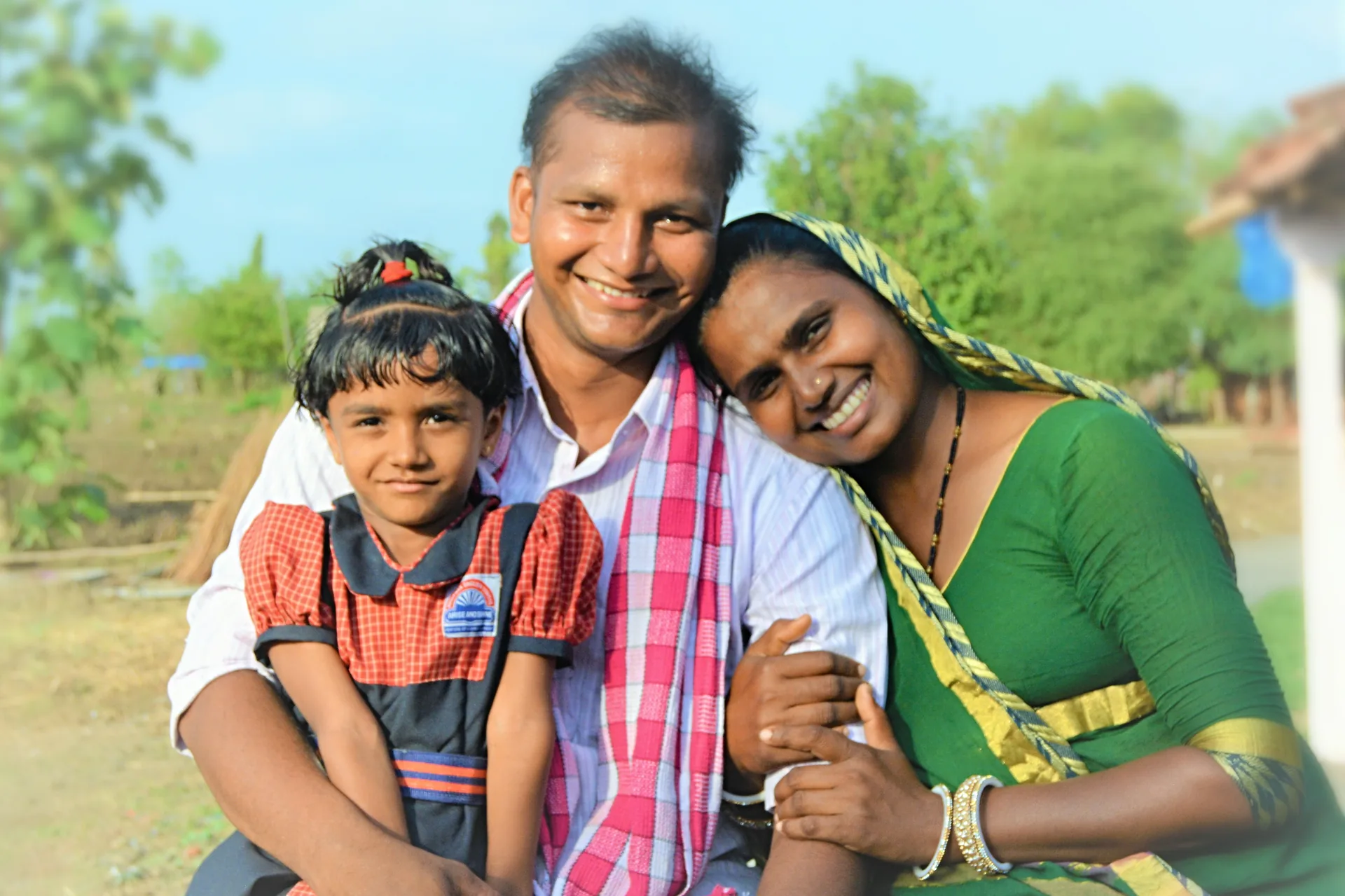
Led a community-based flour fortification program in partnership with the state government of Gujarat, Maharaja Sayajirao University of Baroda, BAIF (India's largest agricultural NGO), and international partners. The program reached 15 tribal villages and approximately 6,000 households. Within eight months, over 70% of households were using the fortified flour, driven by a women's Self-Help Group distribution model, real-time monitoring through a custom MIS, and community-led behavior change campaigns.
MAHAN Trust (Melghat, Maharashtra)
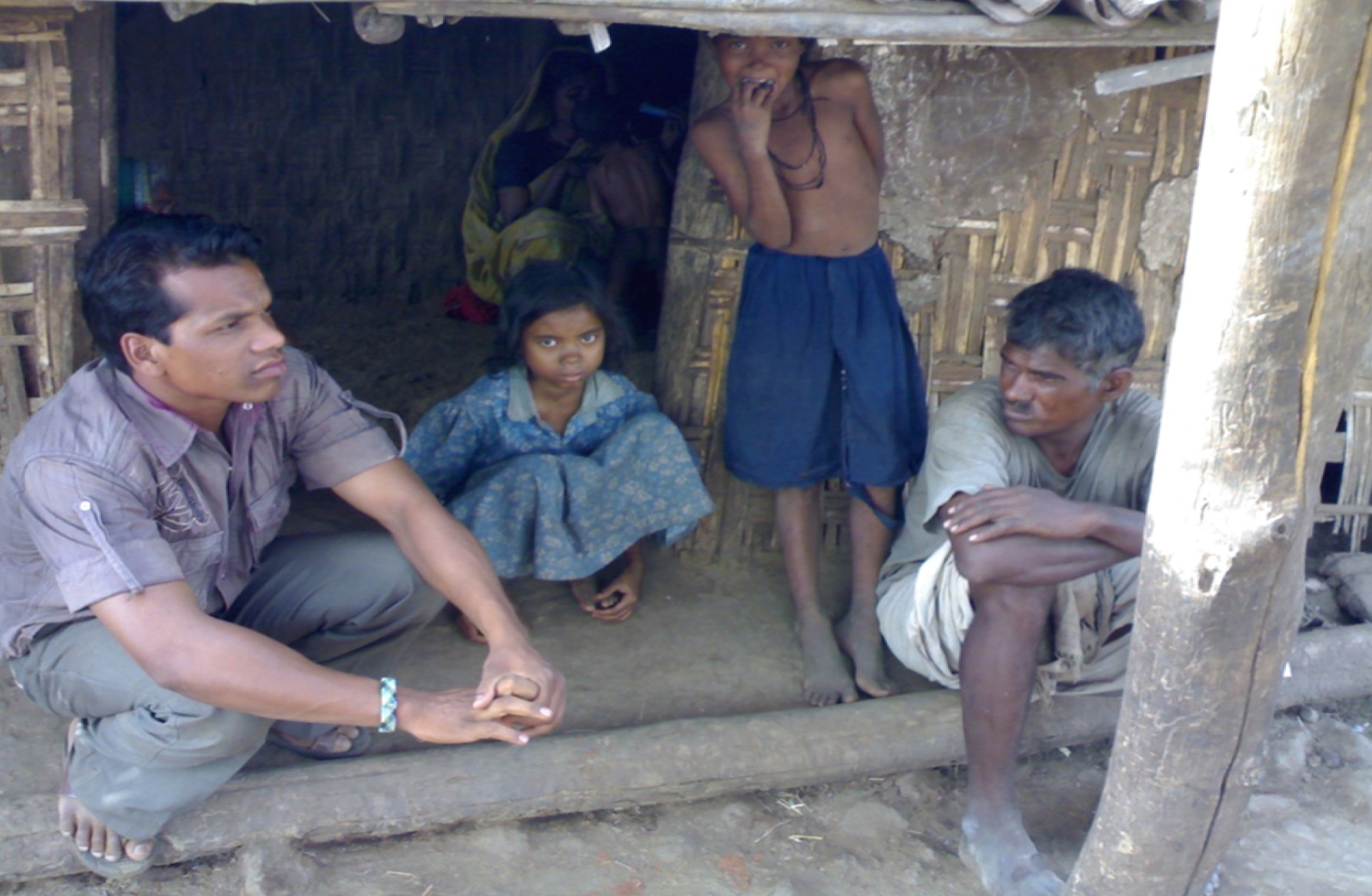
As Chief Administrative Officer, managed a home-based childcare program across 20 tribal villages in one of India's highest child-mortality regions. Over three years, infant mortality dropped from 84 to 32 per 1,000 live births. Also designed and implemented a medical counselor program in 15 government hospitals, which the district administration later requested for scale-up. Supervised over 150 community workers and raised US$125,000 through CSR partnerships and crowdfunding.
Current Focus
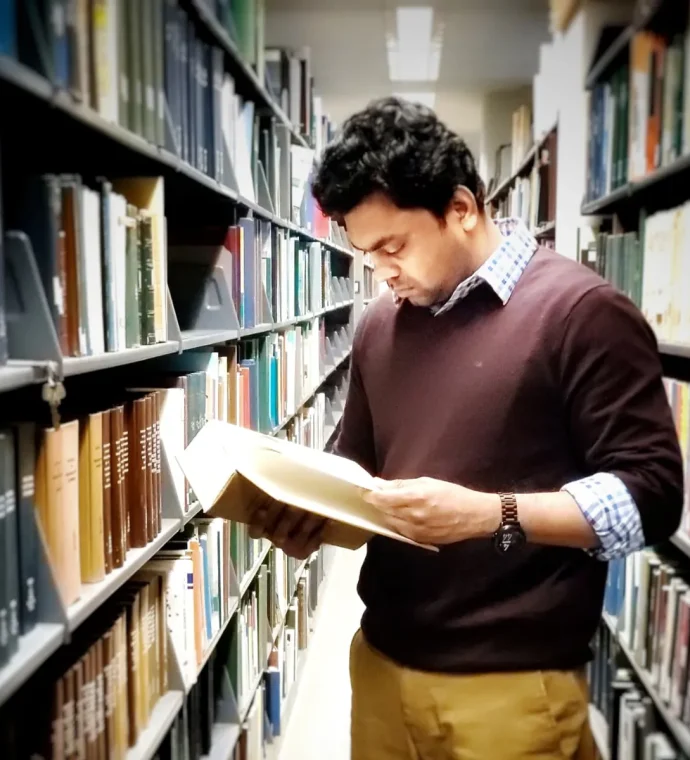
My dissertation examines how India’s employment guarantee (MGNREGA) and gendered cash transfer programs interact in rural households, using primary panel data from 800 households and administrative records scraped from the MGNREGS public portal. In parallel, I am conducting the first comprehensive mixed-methods study on gig workers in Indian cities, combining two months of fieldwork as a delivery rider with over 50 in-depth interviews and survey data. My first book, Gigged: Lives on the Edge of the Platform, is under contract with Pan Macmillan India.
From Practice to Research
I came to academic research after nearly a decade of designing and implementing programs in India’s tribal and rural communities. The TCI fellowship at Cornell gave me the space to formalize what fieldwork had taught me by adding causal inference, panel econometrics, and systematic qualitative methods to the instincts I had built on the ground. That combination shapes everything I do now: research that is technically rigorous and grounded in the realities of the communities it studies.
Training and Recognition
My academic training spans a PhD in progress at Cornell’s Dyson School, an MS in Applied Economics and Management, an MPS in International Development, an MBA, and a BSc in Mathematics, Chemistry, and Physics. I was a finalist in Cornell’s Three-Minute Thesis competition (2025) and have delivered invited lectures at Nagpur University and IISER Mohali. My research has been published in the Oxford Handbook of Guaranteed Minimum Income Policies and Sight and Life, and my writing on gig work and rural livelihoods has appeared in The India Forum, Scroll.in, and Mongabay India. My first book, Gigged: Lives on the Edge of the Platform, is forthcoming from Pan Macmillan India.
What to expect here?
This site shares my research, publications, policy writing, and field stories. I also write here about emerging questions in development economics, labor markets, and public policy — work-in-progress thinking alongside finished research. If there is a throughline, it is this: evidence should return to the communities it comes from, and policy should be judged by the lives it changes.
Let's connect
I am open to research collaborations, consulting engagements, and conversations about field methods, policy evaluation, and development practice. If you are working on questions related to social protection, labor markets, nutrition, or India’s gig economy, I would welcome the chance to connect. Explore the site or get in touch directly.