Policy Articles

These articles translate my research into accessible analysis for policy audiences. They cover topics ranging from India's employment guarantee legislation to the lived realities of gig economy workers.
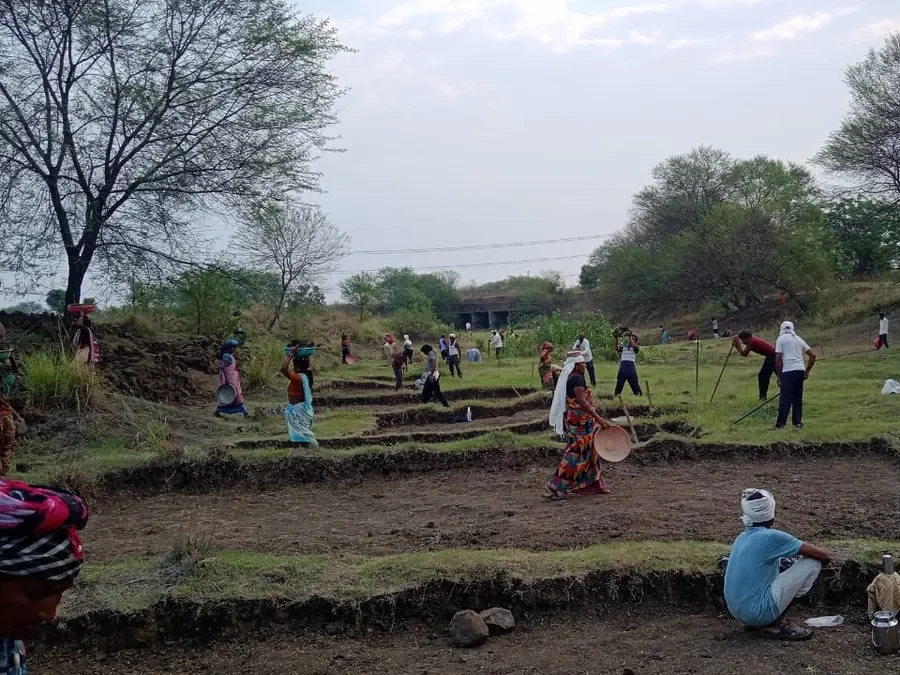
MGNREGS work

From MGNREGA to VB-G Ram G: A Field Researcher’s Take

Tata-Cornell Institute, Jan 2026
India’s new employment guarantee bill promises more workdays and faster wages, but its shift to capped budgets and state cost-sharing risks undermining the rights-based architecture that made MGNREGA a lifeline during crises. I examine the tradeoffs through field evidence from rural Maharashtra.

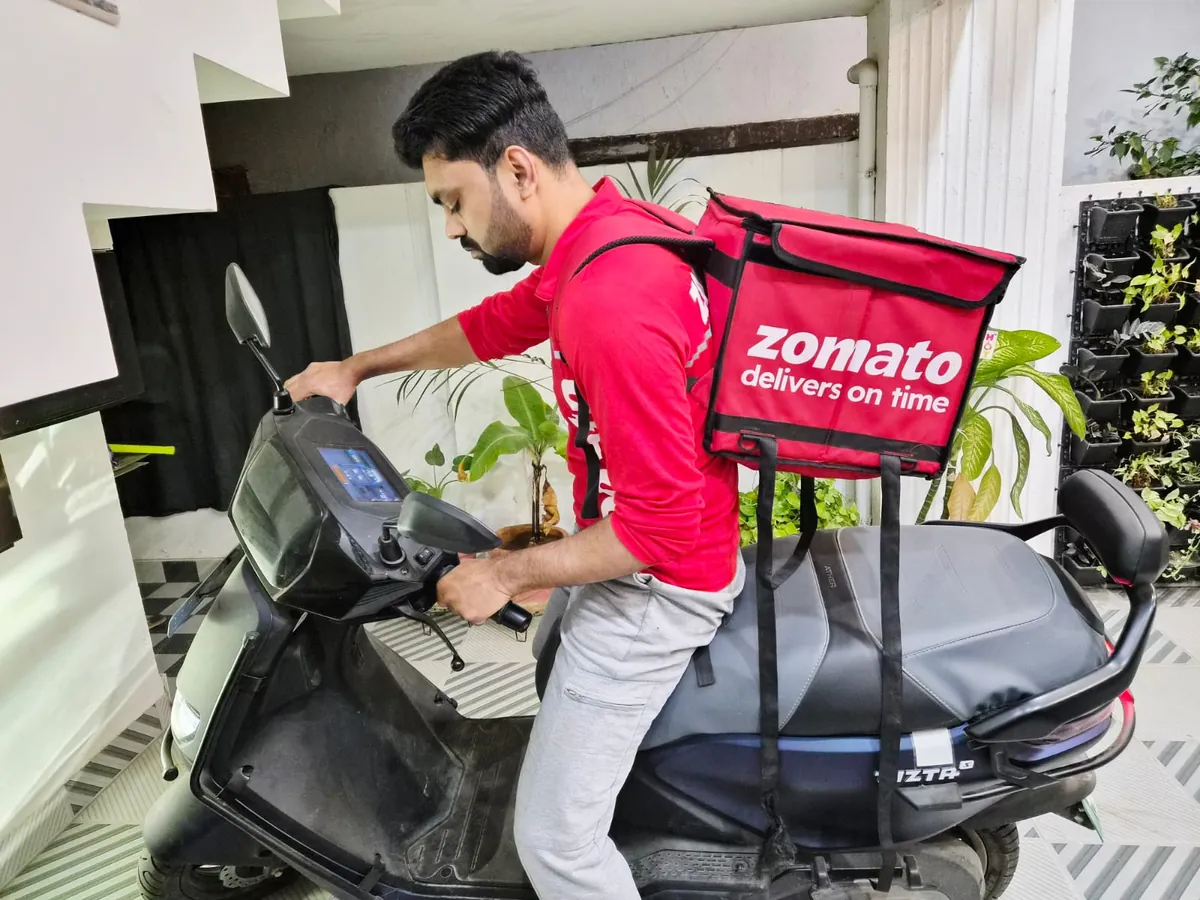
What I learnt in two months as a gig worker

Scroll.in, Aug 2025
I signed up as a food delivery rider in Nagpur to understand platform work from the inside. What I found was a system of algorithmic control, hidden costs, and volatile earnings that left full-time workers like my colleague Vishal taking home roughly Rs. 200 a day for ten-hour shifts.

What Delivering Food Taught Me About India’s Gig Economy

The Global Indian Times, Aug 2025

A condensed account of my experience as a delivery rider, exploring how platforms extract value from workers through opaque algorithms, mandatory expenses, and a flexibility that looks different depending on whether you are a rural migrant supplementing farm income or an urban worker with no fallback.

Twenty Rupees for Twenty Minutes’: What I Learned Working in India’s Gig Economy

The India Forum, July 2025

The full narrative of two months delivering food in Nagpur, from the Rs. 20 first order to conversations with fellow riders navigating traffic fines, back pain, and tip-less deliveries. I trace how platforms transform workers into algorithmic subjects and argue for transparency, collective bargaining, and shared responsibility for costs.

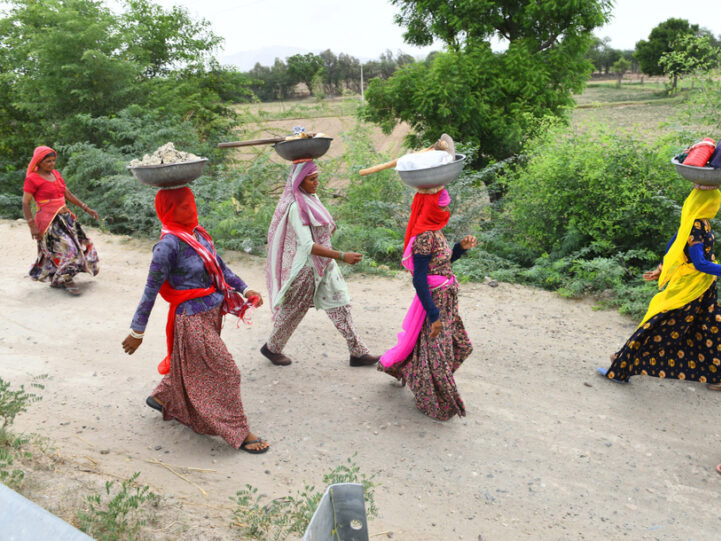
Beyond Wages: Exploring the Impact of an Employment Program on Rural Women

Tata-Cornell Institute, May 2024
Field observations from Chandrapur district in Maharashtra, where women like Kusum and Pooja reveal how MGNREGS shapes not just household income but financial autonomy, migration decisions, and community bonds. The piece sets up the research question behind my dissertation: what happens when cash transfers interact with employment guarantees?

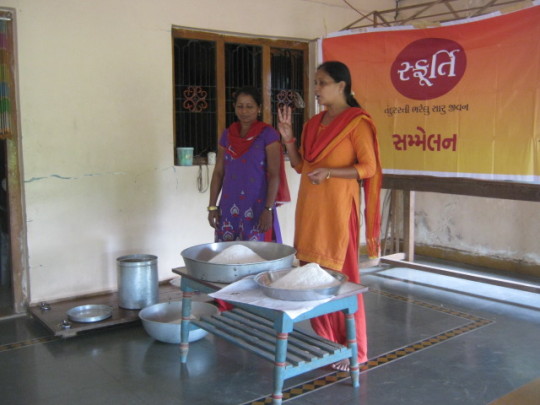
SFurtI 1st anniversary – A positive take on nutrition

Tata-Cornell Institute, Oct 2017

A first-year progress report from the flour fortification program I managed in tribal Gujarat, describing how community-led distribution through women’s self-help groups achieved 70% household uptake, overcame male resistance and mixing concerns, and turned local distributors into village leaders.