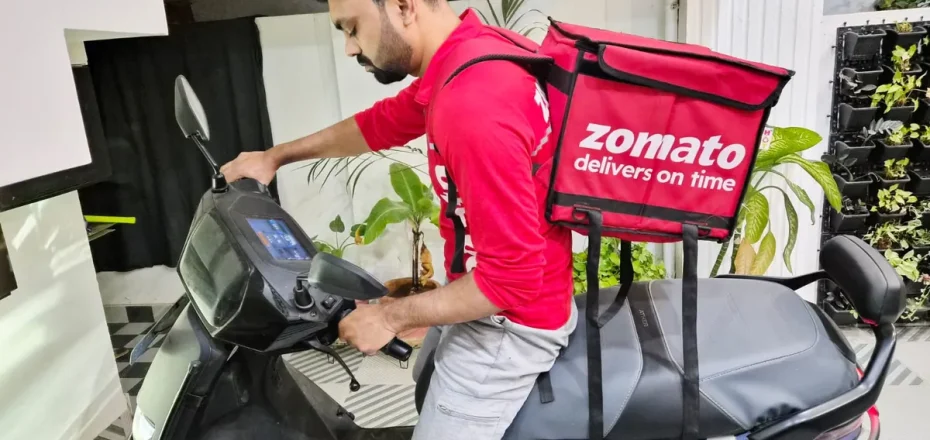
Beyond the app and algorithm, platforms have obscured the enormous costs of labour, fuel, internet access and transport that are borne entirely by workers.
The notification chimed on my phone: “Order received – Rs 20 for 3.2 km delivery.” I looked at the address, started my bike, and began what would become a two-month journey into India’s platform economy.
By the time I delivered that first order – a 20-minute hunt through narrow lanes to find a customer’s house in the dark – I had earned my first Rs 20 as a gig worker. More importantly, I had begun to understand the vast gap between the gig economy’s promises and realities.
This wasn’t planned research. In September 2024, while studying rural employment programmes in Maharashtra, I kept encountering young migrants who moonlighted as delivery workers. As the thinktank NITI Aayog projected India’s gig workforce would triple to 23.5 million workers by 2029-’30, I realised that understanding this growth required more than interviews and surveys. It required experiencing the algorithm’s control first-hand.
Entering the algorithm
Becoming a delivery partner proved deceptively simple. After downloading the app and providing basic details (phone number, bank information, and Aadhaar card), I encountered the first revealing requirement – Rs 400 sign-up fee plus Rs 2,000 for branded clothing and delivery bag, deductible from future earnings. The platform extracted payment before I had earned a single rupee.
What the platform did not require was equally telling. No driving licence verification, no helmet confirmation and no safety training for work involving constant road navigation. I was registering not as an employee but as an “independent contractor” using “aggregator services” – legal language that shielded the company from employment obligations while maintaining operational control.
The training videos, available in multiple Indian languages, covered app navigation thoroughly but offered little about worker rights, transparency about earnings or dispute resolution. I could skip entire sections – a design prioritising quick onboarding over worker preparation. Within hours, I was approved to start deliveries, though insurance coverage would only activate after two successful orders.